
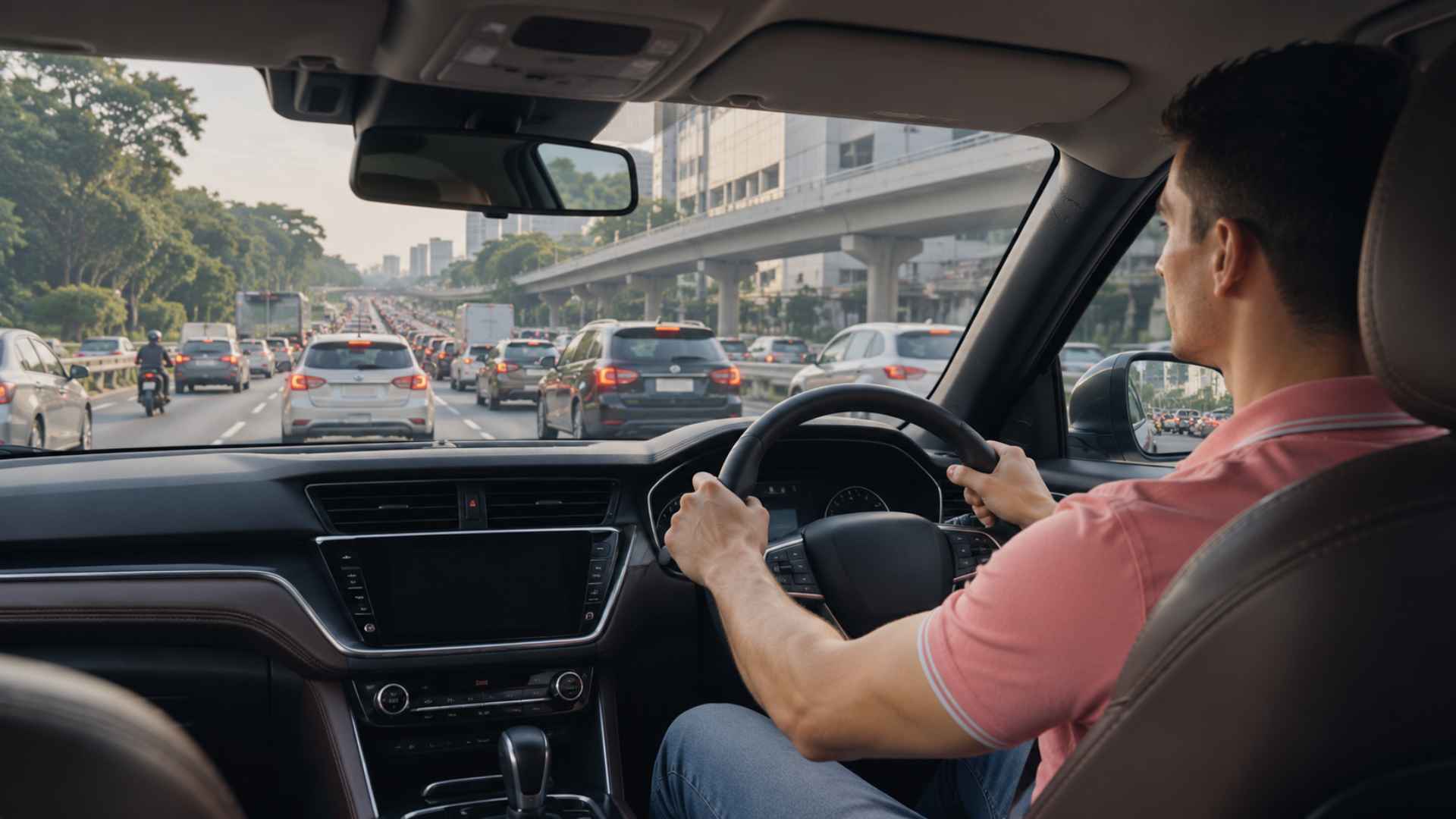
Busy roads are part of everyday life, especially in cities where people travel for work, school, shopping, and other activities. Heavy traffic, crowded intersections, and unexpected delays can quickly turn a simple trip into a stressful experience. However, getting around does not always have to be difficult. With the right approach, drivers can make their journeys more comfortable and save valuable time along the way.
Smarter travel strategies are not just about reaching a destination faster. They also involve making better decisions, staying aware of road conditions, and choosing the most suitable routes. By building simple travel habits, anyone can handle busy roads with greater confidence and enjoy a smoother daily commute.
Understanding Traffic Conditions Before Starting Your Journey
One of the easiest ways to avoid unnecessary delays is to check traffic conditions before leaving home. Modern navigation apps provide useful information about road congestion, accidents, construction areas, and alternative routes. Checking these updates can help drivers prepare for possible problems and make better travel decisions before getting behind the wheel.
Travel timing also plays an important role in avoiding heavy traffic. Many roads become crowded during morning and evening rush hours when people travel to and from work. Whenever possible, adjusting departure times can make a noticeable difference. Leaving slightly earlier or choosing a less crowded travel period can help reduce waiting time and create a more relaxed driving experience.
Choosing Better Routes for More Efficient Daily Travel
Taking the shortest route does not always mean having the fastest journey. Some roads may look convenient on a map but often experience heavy congestion, frequent traffic lights, or road maintenance. Looking at different route options allows drivers to compare travel times and choose a path that offers a better balance between distance, road conditions, and convenience.
Flexible route planning is another useful strategy when navigating busy roads. Traffic conditions can change quickly because of accidents, weather, or unexpected road closures. Instead of sticking to one familiar route, drivers should be ready to consider alternative roads when necessary. Having another option in mind can prevent unnecessary frustration and make everyday travel more predictable.
Using Navigation Technology to Avoid Unnecessary Delays
Navigation technology makes daily travel easier by providing real time traffic updates and suggested route changes. Apps such as Google Maps can help drivers identify congested areas and find alternative roads based on current conditions. These tools are especially helpful when traveling through unfamiliar neighborhoods or busy city centers. However, drivers should always follow traffic signs and road regulations rather than relying entirely on digital directions.
Adjusting Travel Habits During Peak Traffic Hours
Changing daily travel habits can make a big difference when dealing with crowded roads. If work schedules allow it, leaving before the busiest hours or traveling slightly later can reduce time spent in traffic. Planning errands in one trip instead of making several separate journeys can also help save fuel and time. Small adjustments like these can make regular commuting feel less tiring.
Staying Calm and Focused Behind the Wheel
Heavy traffic can easily cause frustration, especially when vehicles move slowly or other drivers behave unpredictably. Staying calm is important for making safe decisions and avoiding unnecessary risks. Keeping a reasonable distance from other vehicles, avoiding sudden lane changes, and paying attention to surrounding traffic can help prevent accidents. A patient driving attitude makes busy roads safer and more comfortable for everyone.
Building Safer and More Sustainable Travel Habits
Smarter travel is not only about finding faster routes but also about making responsible choices on the road. Simple habits such as maintaining a steady speed, avoiding unnecessary acceleration, and keeping vehicles in good condition can improve fuel efficiency. These practices also help reduce vehicle emissions and support a cleaner environment, especially in cities with high traffic levels.
For shorter journeys, walking, cycling, or using public transportation can be practical alternatives to driving. Sharing a ride with colleagues or friends is another way to reduce the number of vehicles on busy roads. By combining better planning, responsible driving, and flexible transportation choices, people can make daily journeys more efficient while contributing to smoother traffic conditions in their communities.